By: Chris Gates
Fasting is one of the most common topics that comes up in my conversations with clients and followers — especially parents who are trying to lose weight and get healthier.
Whether it’s in my Instagram DMs, comment sections, or client check-ins, people constantly say things like:
- “I’m thinking about doing fasting.”
- “Fasting worked for me before.”
- “I need to lose weight again, so I’m going back to fasting.”
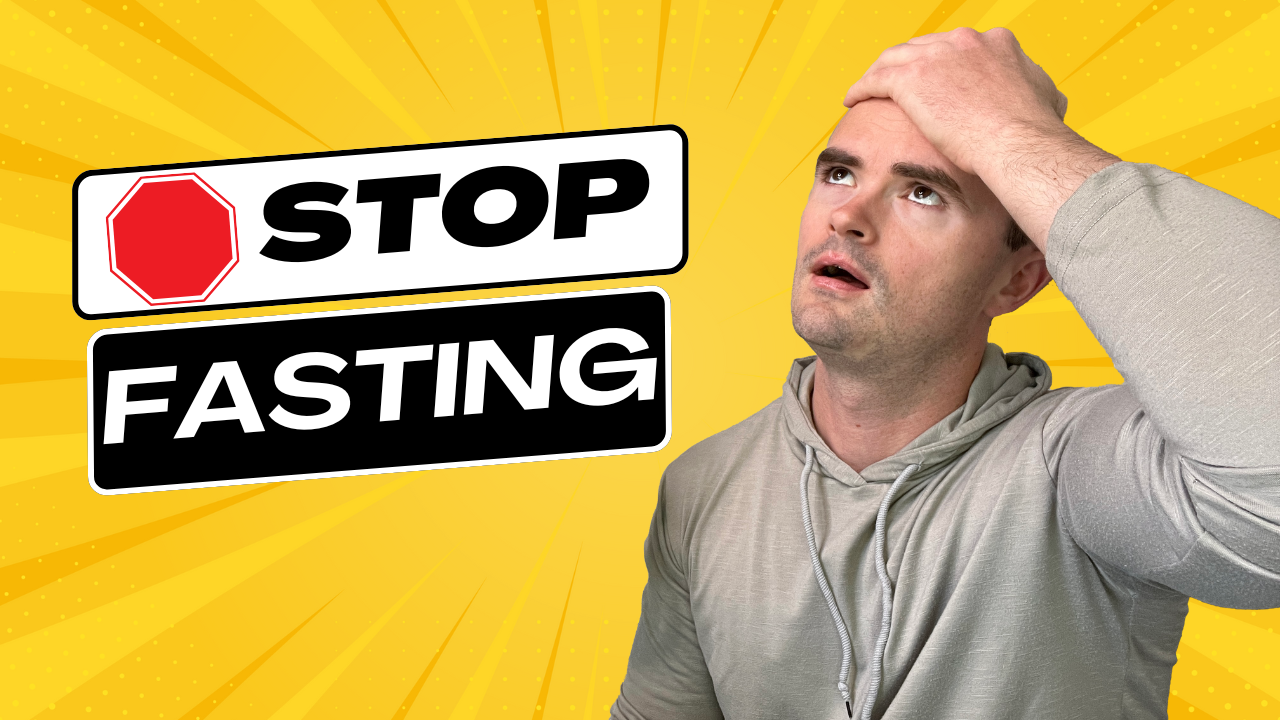
So let’s talk about it: Is fasting actually worth it for fat loss?
What Is Fasting (And Intermittent Fasting)?
First, we need to clarify what we mean by fasting.
There’s traditional fasting, where you go a full day (or more) without eating — often seen in religious or spiritual practices. Then there’s intermittent fasting, which is what most people are referring to when they ask this question.
Intermittent fasting involves splitting your day into a fasting window (no food) and a feeding window (when you’re allowed to eat). The most common version is 16:8 — fast for 16 hours, eat within an 8-hour window. Other versions include 18:6 or even the “OMAD” diet (One Meal A Day).
At the end of the day, intermittent fasting is just a tool — a strategy to help you eat fewer calories and create a calorie deficit, which is the only way to lose body fat.
Why People Like Fasting
There are a few big reasons why fasting has stuck around for years:
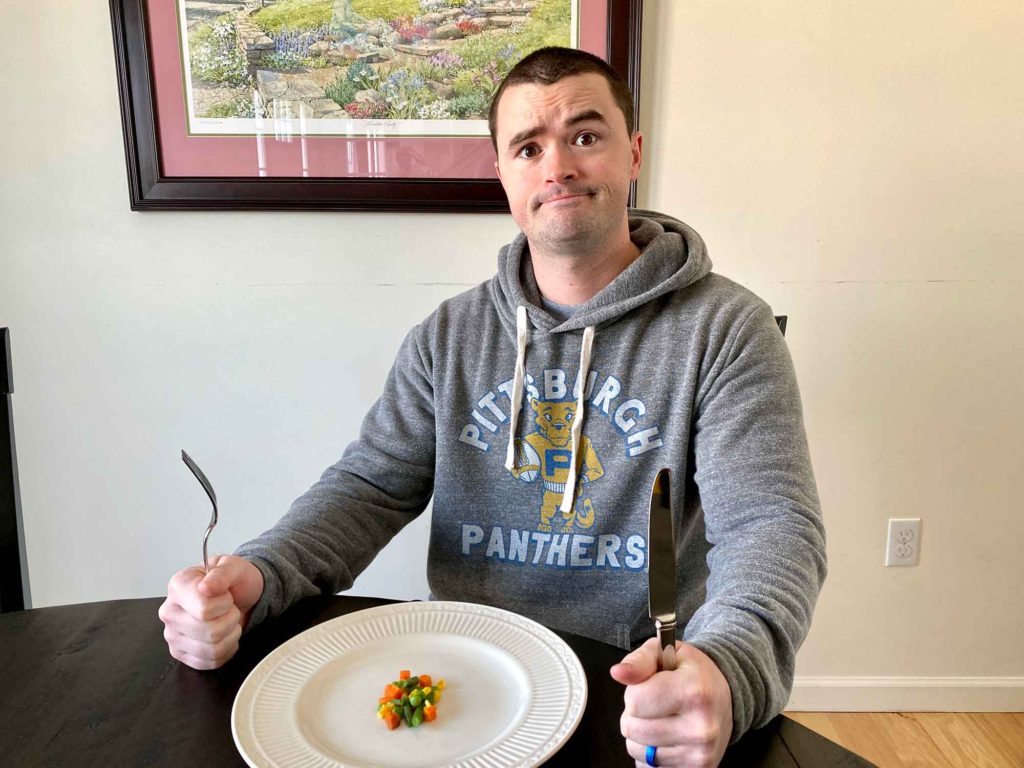
- Simplicity: You only eat during certain hours. It feels easy to follow.
- Rapid results: You often see weight loss quickly at first.
- Structure: You know exactly when you can and can’t eat.
- Control: It helps people feel more in control of their eating habits.
Fasting works really well for a small percentage of people, especially those who prefer rigid rules and don’t mind skipping meals.
But most people — especially parents — fall into a different category.
The Problem With Fasting for Fat Loss
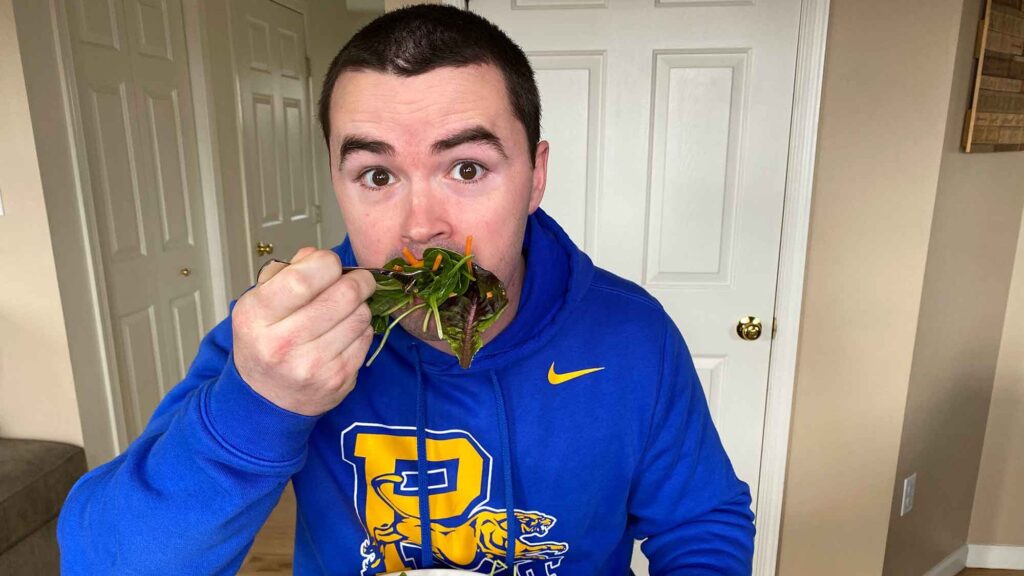
Here’s the issue: fasting often leads to short-term results but long-term frustration.
Most people can follow intermittent fasting for a few weeks or maybe a couple of months. They lose weight during that time because they’re eating fewer calories.
But then… they stop.
Why? Because fasting doesn’t fit into their life long-term.
They want to eat breakfast with their kids. They want to enjoy meals with their family on weekends. They don’t want to live on a schedule that isolates them from the people they care about.
When people stop fasting, they often don’t have the tools to maintain their progress. They go back to “normal” eating without any understanding of how to manage calories, balance meals, or build sustainable habits.
That leads to weight regain, and six months later, they’re back at square one… starting another round of fasting.
It becomes a yo-yo cycle:
- Do fasting.
- Lose weight.
- Stop fasting.
- Regain the weight.
- Start fasting again.
If you have to lose the same 15–20 pounds over and over again, did fasting actually work?

Fasting Usually Doesn’t Fit Parents’ Lives
If you’re a parent, your time, energy, and schedule are already stretched thin. Fasting often works against your priorities, not with them.
You may find yourself:
- Skipping breakfast with your kids.
- Eating dinner alone.
- Feeling ravenously hungry by the time your feeding window opens — and overeating as a result.
That last one is important.
Fasting can easily lead to binge eating when hunger builds up all day. I’ve experienced this myself.
Even as a coach who knows what to eat and how to track food, I’ve found that fasting sometimes makes my hunger signals so loud that I struggle to control my intake.
That’s not a sustainable or enjoyable way to live — for you or your family.
What Actually Works Long-Term?
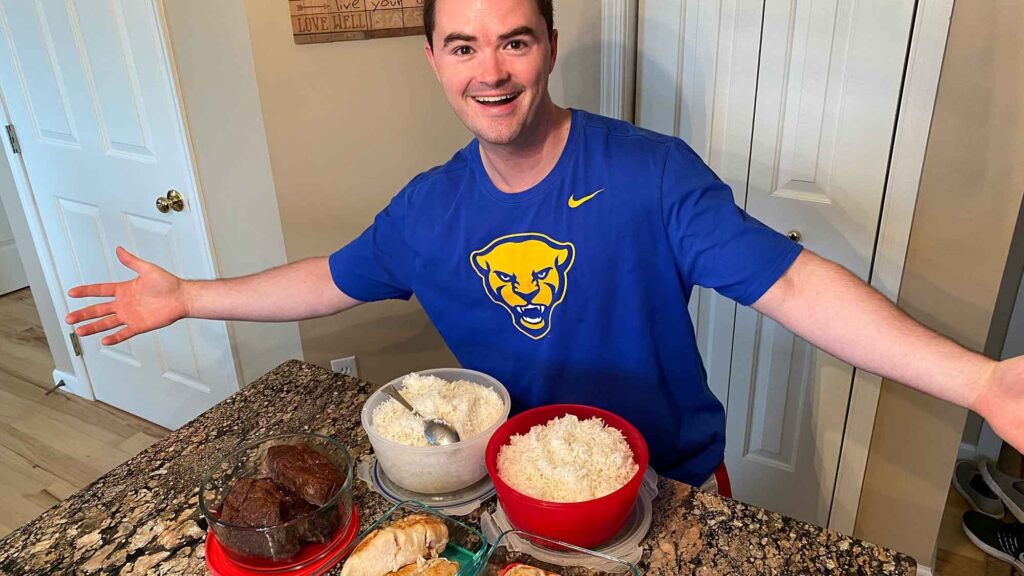
Instead of rigid fasting windows, a more flexible, traditional approach to dieting tends to be far more effective.
What does that look like?
- Eating at regular mealtimes.
- Setting a calorie range and protein goal.
- Not cutting out any specific foods.
- Learning how to build meals that support your goals and lifestyle.
This approach allows you to eat with your family, enjoy the foods you love, and develop the skills and habits needed to manage your weight for years — not just weeks.
In my 1-on-1 online fitness coaching program, we focus on:
- A calorie target to create a deficit (ex: 2000–2200 calories/day).
- A protein goal to support muscle and satiety.
- Flexible food choices that fit your preferences and schedule.
This way, you’re not fighting against your life — you’re building healthy habits within it.

So… Is Fasting Worth It?
In my opinion, no — not for most people.
Fasting can work in the short term. But most people don’t want short-term results. They want a solution they can stick with for years, not months.
Fasting just doesn’t provide that for the majority of people I talk to, especially parents with families, careers, and busy lives.
So instead of chasing quick fixes and rigid rules, try doing the harder (but smarter) work of building flexible, sustainable habits.
It might take longer upfront, but the results will last so much longer.

Want Help Building That Flexibility
I coach busy parents every day who want to lose weight, gain strength, and create healthier routines — without giving up their lifestyle.
If that sounds like something you’d benefit from, check out my 1-on-1 coaching program and submit an application if you’d like to talk together about your goals. Let’s work together on a plan that actually fits your life.
~ Chris