
By: Chris Gates
If you’re trying to build strength, improve your physique, or get the most out of your workouts… at some point, you’re going to ask this question:
“How do I know when it’s time to add more weight to my lifts?”
It’s a great question, and one I get from clients all the time. And it’s especially important for busy parents to get this right. When time is limited, you want to make sure every minute you spend in the gym is actually helping you move toward your goals.
So in this article, we’re going to break it all down. You’ll learn:
- What progressive overload is and why it matters
- How to recognize signs that you’re ready to lift heavier
- What to do with your rep ranges after you add weight
- The most common mistakes to avoid
- And how to use simple tracking to drive long-term results
Let’s dive in.
What Is Progressive Overload?
Progressive overload is just a fancy way of saying this:
Do a little bit more each time.
That could mean more reps, more weight, more control, or more overall effort. But the idea is that your body needs to be challenged in order to change.
If you’re doing the same workout, with the same weight and same number of reps every week, your body has no reason to keep adapting. You’re just maintaining.
Now, if that’s your goal—cool!
But if you want to build muscle, gain strength, or change your body composition, you need to find small ways to increase the challenge.

Why This Matters for Fat Loss, Too
Even if your main goal is to lose weight, progressive overload plays a big role.
As you lose weight, your body will try to burn both fat and muscle.
But lifting weights—especially lifting with intensity—tells your body, “Hey, this muscle is important. We still need it.”
So you’ll be more likely to burn body fat while preserving lean muscle, which leads to better results, a faster metabolism, and that strong, toned look many people are after.
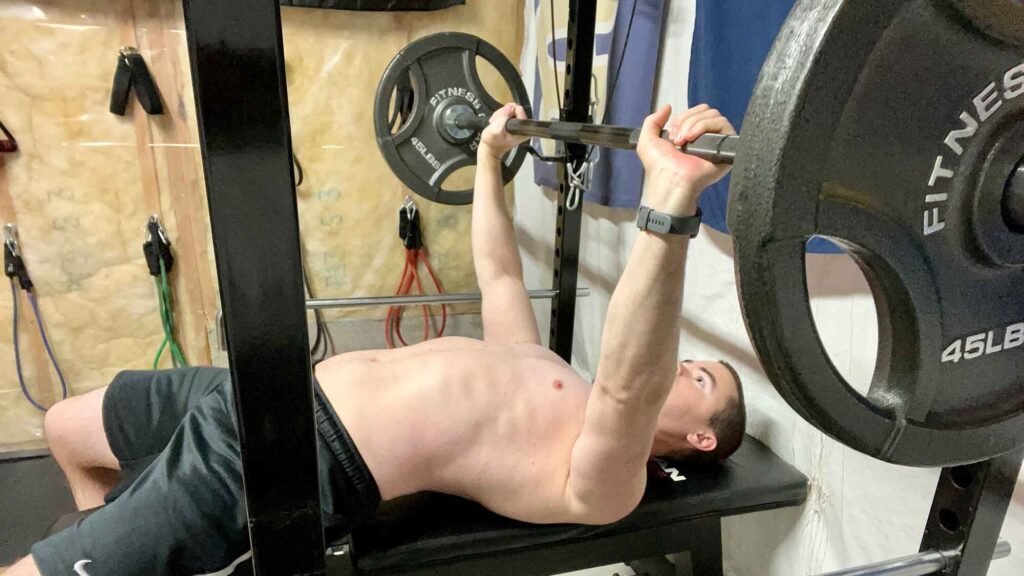
How to Know It’s Time to Add Weight
Let’s get to the big question: When should you actually go heavier?
Here are the main signs to look for:
✅ Your workouts feel easier
If you’ve been doing the same routine for a few weeks and it feels much more manageable, that’s a sign you’ve adapted—and it’s time to push things a bit.
✅ You’re hitting the top of your rep range
Let’s say your program calls for 8–10 reps. If you’re consistently hitting 10 reps—especially in your first set—it likely means you’re ready to bump the weight up.
✅ You’re doing the same reps for every set
This one’s often overlooked. If you’re doing 10 reps in set one, and then also 10 in sets two and three… you probably weren’t working that hard in the first set.
In reality, your first set should be your strongest. After that, your reps should dip a bit as fatigue sets in. If they don’t, it’s a sign you could go heavier or push harder.
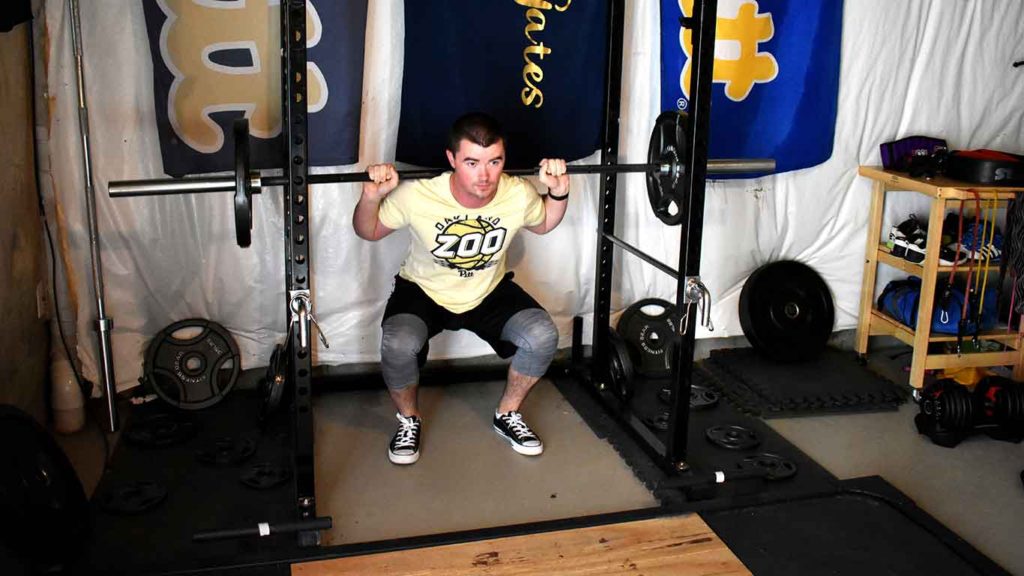
What Rep Ranges Actually Mean
A lot of people treat rep ranges like rules… but they’re really just tools.
There’s nothing magical about 8–10 reps, or 10–12, or 12–15. Those ranges are there to help guide how much weight you choose.
- Lower rep ranges (5–8) = heavier weights, more strength focus
- Higher rep ranges (12–15+) = lighter weights, more volume
But at the end of the day, all rep ranges can build muscle—as long as you’re pushing yourself close to failure (within 1–2 reps of what you could possibly do).
So don’t stress about the number. Focus on the effort.
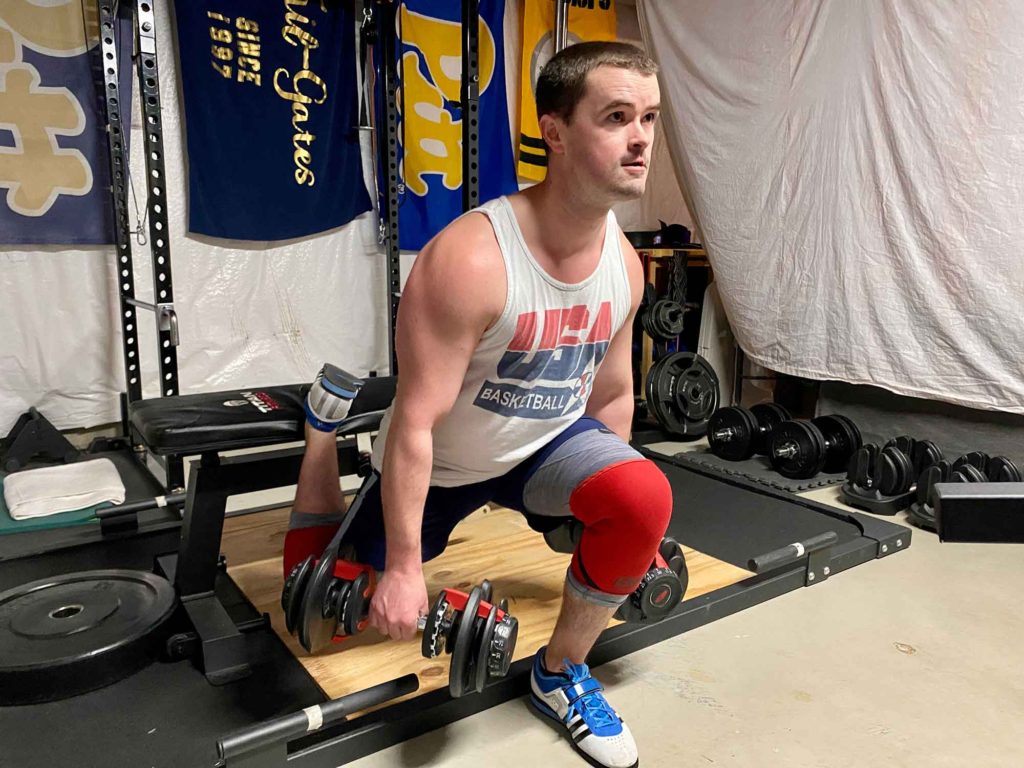
What to Do After You Add Weight
Once you go up in weight, here’s what usually happens:
Your reps drop.
And that’s totally normal.
Let’s say you were doing a dumbbell bench press for 10 reps at 50 pounds. You go up to 55 pounds—now you might only get 8 or 9 reps.
That’s fine!
You’re still in the 8–10 rep range, and now you’re pushing your body with a heavier load.
Your job now is to try and build those reps back up week after week.
This is the cycle:
- Hit the top of the rep range ➝
- Add weight ➝
- Reps drop slightly ➝
- Build reps back up ➝
- Repeat

Mistakes to Avoid
Here are three common mistakes I see all the time:
❌ Sticking with the same weight forever
This is super common. You get comfortable with a routine, and you keep doing it. But if you’re not increasing weight, reps, or intensity, your body won’t keep changing.
❌ Adding weight too soon
On the flip side, some people jump the gun. They go up in weight every week, even if form is breaking down.
This can lead to injury or plateaus with your progress. Make sure your form is solid and your reps are at the top before increasing.
❌ Not tracking your workouts
This one might be the biggest. If you’re not tracking what you lifted and how many reps you did, how do you know if you’re progressing?
Tracking doesn’t have to be complicated. Use a notebook, the notes app, or a spreadsheet.
During your rest periods, jot down what you just did. Takes 5 seconds—and can completely transform your results.
Want More Help?
If you want guidance on how to build a training program that progresses with you—and fits your busy lifestyle—I’d love to help.
You can learn more about my 1-on-1 coaching, or reach out directly with any questions.
Thanks for reading, and I hope it helped!
~Chris